
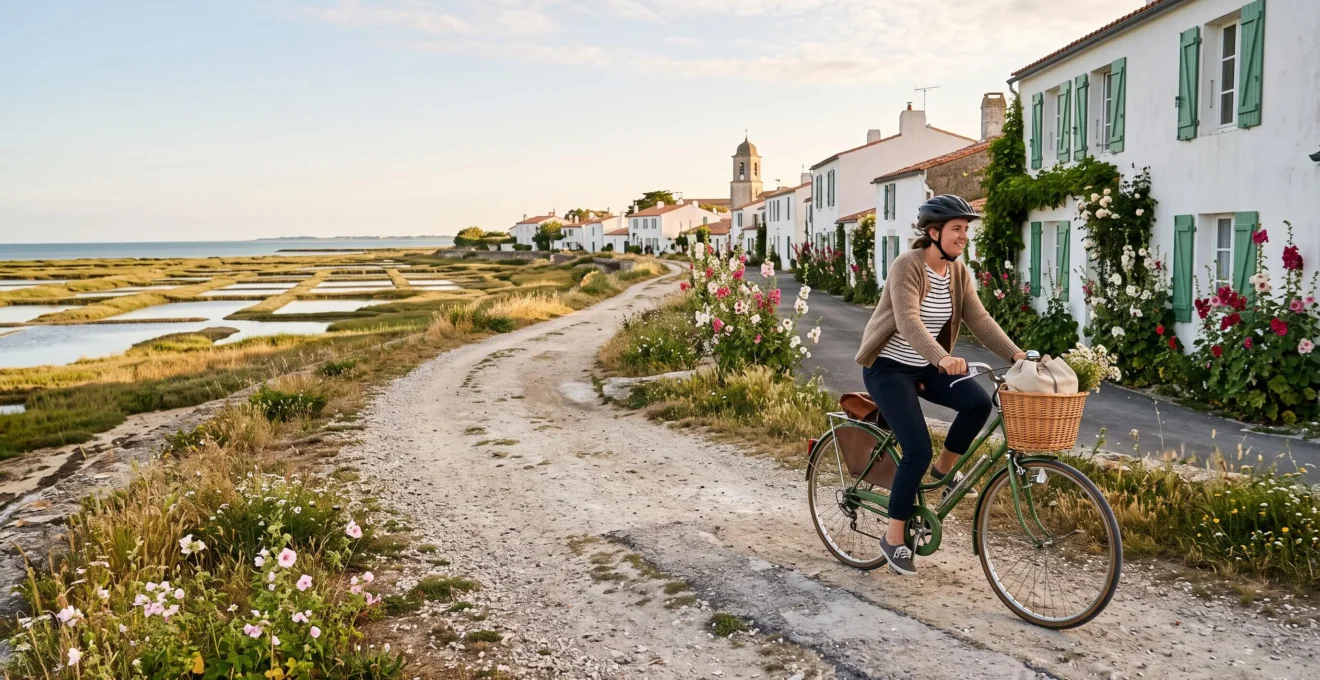
You feel it on your first morning: a slow ride on a flat lane, a stop for coffee, the market waking up with the smell of warm bread and sea air. That’s the French art of living Île de Ré is known for—not a checklist of attractions, but simple rituals done well.
This guide is built for a real holiday schedule. You’ll get concrete ideas you can actually fit into a short stay: which villages and markets to prioritize, why cycling shapes the island’s rhythm, what local products to taste (without falling into generic tourist spots), and how to plan your days so they feel spacious.
Your quick plan for an authentic Île de Ré stay
- Start early: market first, then café terrace, then a slow cycle between villages.
- Pick 2–3 villages and revisit one rather than racing across the whole island.
- Use the bike lanes as your “itinerary”: vineyards, dunes, and salt marsh edges happen naturally along the way.
- Choose local products with a clear story (new potatoes, salt, oysters) and taste them close to where they’re produced.
- Check seasonal details (markets, guided walks, access rules) with the official local tourism office before you go.
What Does the French Art of Living Mean on Île de Ré?
Direct answer: On Île de Ré, the French art of living is a daily rhythm built around cycling, morning markets, preserved village streets, and the island’s soft light—more about pacing yourself than “doing everything”.
Picture a typical Ré morning: you cycle on a quiet lane while the day is still cool, lock your bike near a market square, and let the island guide your choices—strawberries or tomatoes for a picnic, a small piece of cheese, a handful of salty butter biscuits for later. You don’t need a big plan for that moment to feel “French”; you just need to leave time for it.
What makes it special is how these elements connect. The villages are close enough to link by bike, the markets reward early mornings, and the landscapes change quickly—vines, dunes, then marshes—without asking you to rush. If you only remember one rule: do fewer things, more slowly, and you’ll get closer to local life than by chasing highlights.
One practical nuance: this “slow” feeling is easiest to find early in the day and outside peak crowd moments. Even in busy periods, you can protect the experience by starting before the late morning rush, and by choosing one village to linger in instead of hopping every hour.
Explore the Villages and Markets at a Relaxed Pace
Direct answer: For a first trip, focus on Saint-Martin-de-Ré and La Flotte for village atmosphere, then build at least one morning around a market ritual: arrive early, buy picnic food, and take your time on a café terrace before you cycle again.
If you’re short on time, you’ll enjoy the island more by going deeper in a couple of places. Saint-Martin-de-Ré naturally fits a slow wander: harbor views, small streets, and plenty of spots where sitting for 20 minutes feels like the main activity. La Flotte pairs well with it because it’s easy to reach by bike and works beautifully for a morning routine.
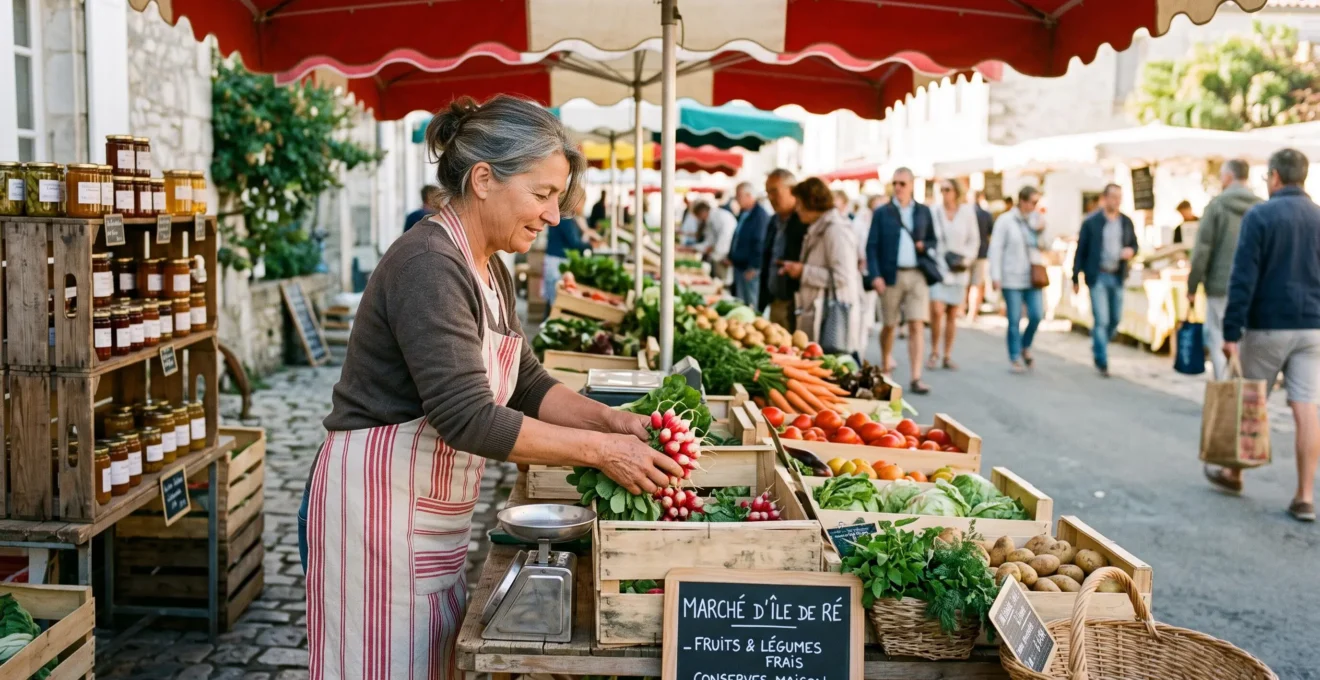
Markets are the easiest doorway into local life because they create instant context: what’s in season, what people cook, what they consider worth paying for. Since days and opening periods can change with the season, use the official tourism office listings for practical visitor information published by Île de Ré’s official tourism office—and then cross-check the “Markets” pages there for current times before you build your morning around them.
A market morning that feels “Ré” is simple: go early, buy ingredients for lunch (not souvenirs), and plan one scenic pause right after—harbor benches, a shaded square, or a dune edge. When you do shop for edible gifts, prefer items that locals actually use daily: a jar of salt, a small bag of potatoes when they’re in season, or oysters eaten close to the shore.
Avoiding a generic market experience : if every stall looks like the same tourist lineup, step away from the busiest axis and look for produce, fish, or salt-related stands—then buy just enough for a picnic, not for a suitcase.
Cycling the Pistes Cyclables: The Island’s Signature Experience
Direct answer: Cycling is central on Île de Ré because it sets the island’s pace: you move quietly between villages and landscapes, stop often, and let the day unfold. For beginners, choose short village-to-village rides and add one “landscape loop” near dunes or marsh edges.
On a map, cycling can look like a “sporty” choice. On the island, it’s closer to a daily habit: you ride in regular clothes, you stop for bread, you pull over when the light changes over the marshes. That’s why bikes unlock the French art of living Île de Ré visitors come for—you’re not watching the island through a windshield.
To keep it beginner-friendly, think in two types of rides. First, village connectors: short hops that get you from one café terrace to another without planning your whole day. Second, landscape rides: pick one stretch where you’ll pedal with fewer stops and let the scenery do the work.
Which cycling routes between vineyards, dunes and marshes work best for beginners?
The most beginner-friendly “route” is often a simple idea rather than a named itinerary: cycle from one village to the next using the marked lanes, then add a calm detour through vines or along marsh edges when you feel warmed up. You’ll naturally get variety—vineyards, sandy paths, and open wetlands—without committing to a long loop.
If you want a marsh-focused moment, treat it as a slow observation stop rather than a long ride. The official tourism office notes that salt marsh visits are possible year-round, with summer being the best time to see salt harvesting, and it also stresses a clear rule: “Stay on designated paths to preserve the fragile environment” (Office de Tourisme Île de Ré). Keep that in mind when you park your bike and walk a little.
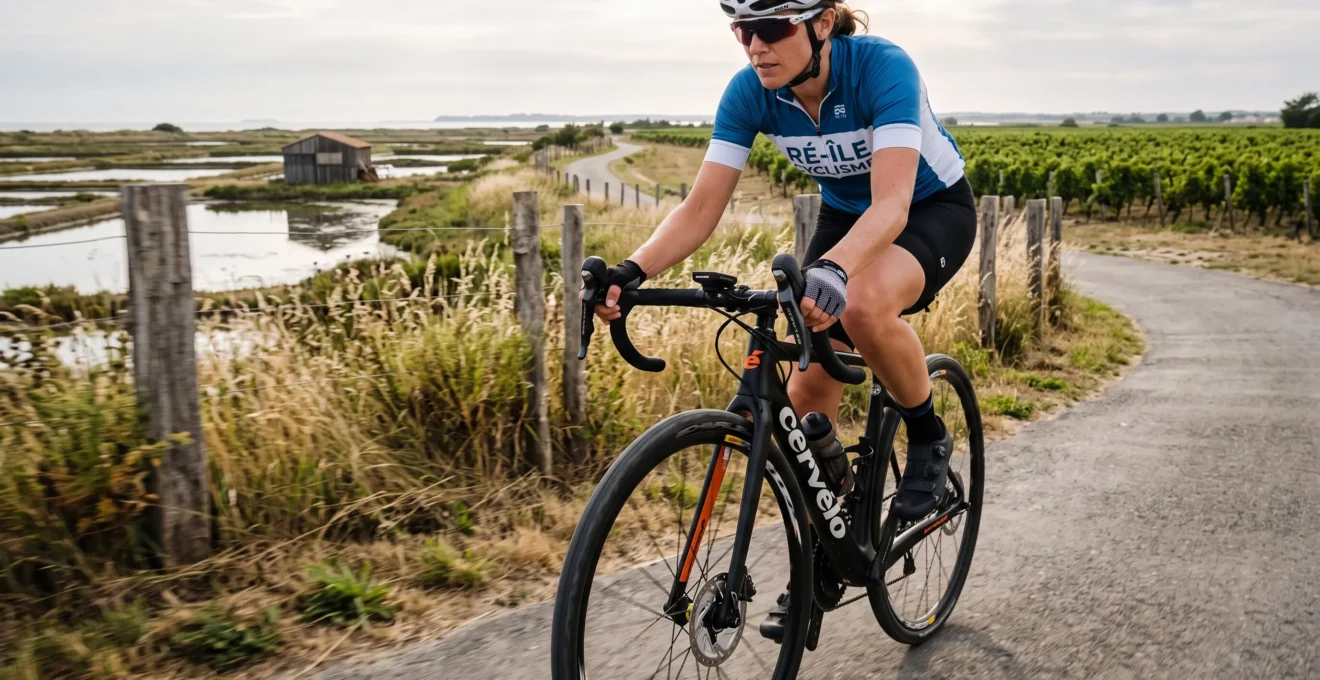
One simple pacing trick: plan your rides around food and light. Ride in the morning for cooler temperatures and calmer lanes, then do a shorter golden-hour loop when the island feels softer and you’re not chasing a schedule.
If you’re renting bikes, ask for two practical things rather than “the best model”: a comfortable saddle and a lock that’s easy to use. The whole point is to stop often without it becoming a hassle.
Taste the Island: Gastronomy and Local Products
Direct answer: To taste Île de Ré without tourist traps, build your meals around signature products—new potatoes, salt, and oysters—and eat them as close as possible to where they’re grown or harvested, keeping menus simple and seasonal.
You don’t need a long restaurant list to eat well here. A market picnic can be the most “Ré” meal you’ll have: something crisp, something salty, something fresh, plus time. The key is choosing products with a clear local anchor—and resisting the urge to order “everything island-style” from a menu built for passersby.
The clearest example is the island’s new potatoes. In an official text published by France’s Ministry of Agriculture, the pomme de terre de l’île de Ré is defined as a primeur potato (harvested before full maturity), with a size limit of 70 mm, and it can be sold under that name only until July 31 of the harvest year (République française, 5 September 2019). That kind of rule is useful as a traveler: it tells you when to look for the product and when to be skeptical of the label.
Salt is another obvious anchor, but the best experience is often not “buying a fancy jar”—it’s seeing the place it comes from, then choosing a simple edible souvenir. If you visit marsh areas, follow on-site signage and local rules; fragile environments don’t need extra footsteps off-trail.
Where can you taste local products without tourist traps?
A reliable approach is to separate tasting from dining. Taste oysters in a setting close to oyster farming (often a simple producer-style spot), then choose a village restaurant for a different meal rather than expecting one place to represent the whole island. When you do sit down, look for short, seasonal menus and staff who can tell you where today’s key ingredients come from—without turning it into a sales speech.
About “maraîchin”: you may see the word used broadly in Atlantic-coast food culture. What we can confirm from a national professional federation is that the Maraîchine is a cattle breed linked to wet meadows along the Atlantic coast between the Loire and the Gironde, without specifically naming Île de Ré as a breeding terroir (Races de France). If you encounter it on a menu, enjoy it as part of the wider region rather than assuming it’s uniquely Rétais.
How to Plan Your Stay Without Missing the Essentials?
Direct answer: To experience Île de Ré authentically in a short stay, plan around three anchors—one market morning, one long bike day, and one slow village evening—then leave deliberate gaps for detours and light.
The tension on Île de Ré is always the same: you want authenticity, but you also want to “see it all.” The island rewards the opposite strategy. Pick a few essentials, repeat one ritual (like a morning market), and let the rest be improvised—because that’s what local life looks like.
A realistic 3-day outline (you can copy-paste)
This is a sample plan (not a rule). It’s designed to feel unhurried while still hitting the island’s core experiences.
- Day 1: Village + market rhythm
Choose one village base (Saint-Martin-de-Ré or La Flotte), do a morning market early, then keep the afternoon light: a short cycle, a long sit, and an easy dinner.
- Day 2: Your “bike day”
Make cycling the main event: connect two villages, add one landscape detour (vines, dunes, or marsh edges), and stop often. Aim for a picnic lunch so you’re not chasing reservations.
- Day 3: Salt marsh atmosphere + last slow wander
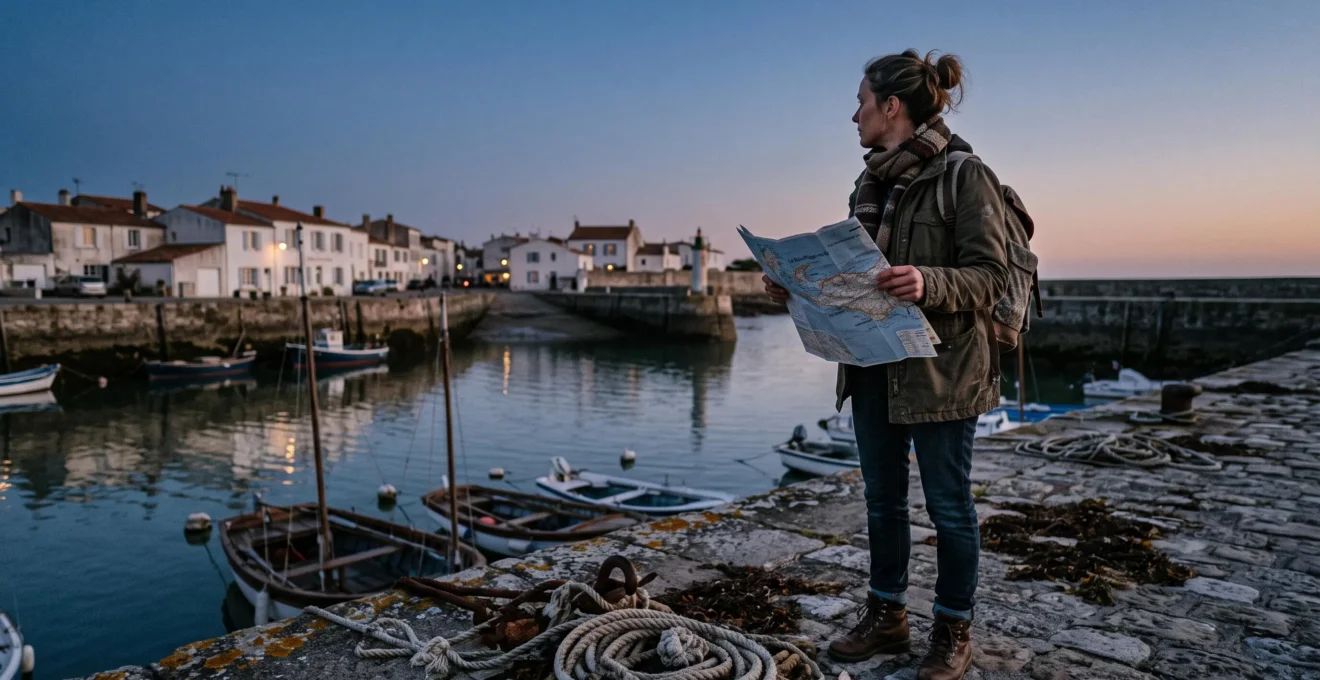
Plan a gentle morning with one last market or bakery stop, then a salt-marsh observation moment on marked paths. Save the final hours for aimless wandering—harbor dusk is a perfect ending.
How do you keep it authentic when it’s busy?
Use timing instead of trying to “outsmart” the crowds. Go early for markets and popular harbors, cycle during the middle of the day when many people sit down to eat, then return to village life later when the pace softens again.
Also, keep checking the official local guidance for seasonal details and site preservation rules—especially around natural areas like the marshes. The most authentic experience is the one that respects how the island works.
How can I experience local life on Île de Ré in a short stay?
Anchor your days around one market morning, one slow cycling day, and one evening wander in a harbor village. Start early, plan fewer stops, and leave gaps for spontaneous pauses (coffee, light, a picnic spot).
Which villages and markets should I visit on Île de Ré?
Prioritize Saint-Martin-de-Ré and La Flotte for first-timers, then build at least one morning around a local market. Because schedules can vary by season, check current days and times with the official Île de Ré tourism office before you go.
How to avoid tourist traps when eating on Île de Ré?
Choose short, seasonal menus and taste signature products close to where they’re produced (market picnic, oysters near oyster farming). Be cautious with “local labels” out of season—for example, the official definition of the island’s primeur potatoes limits use of the name to a specific selling period.
Can I visit the salt marshes year-round?
Yes: the official Île de Ré tourism office indicates salt marsh visits are possible all year, with summer being the best time to observe salt harvesting. Follow local guidance and stay on designated paths to help preserve the environment.
If you want your trip to feel genuinely Rétais, keep coming back to one simple filter: light, villages, bikes, markets, and food. When each day includes at least two of those elements—and enough time between them—you’ll stop “visiting” the island and start living it, even for just a few days.